
27 Feb Pipeline Relining 101: Busting the Myths Sydney’s Eastern Suburbs Residents Still Believe
When it comes to repairing damaged pipes beneath a Sydney property, few options carry as many misconceptions as pipeline relining. Homeowners across the Eastern Suburbs frequently hear the term tossed around by plumbers and neighbours alike, yet most are still acting on outdated or inaccurate information. Understanding what modern relining solutions actually involve — and separating fact from fiction — can mean the difference between a smart, long-lasting fix and an unnecessarily costly excavation job.
This guide takes a myth-versus-fact approach to help Eastern Suburbs residents navigate one of the most misunderstood areas of residential plumbing. Whether you’ve been told that relining is only a short-term solution, that it won’t suit older pipes, or that the costs simply aren’t worth it, the evidence tells a very different story. Relining solutions have evolved considerably over the past decade, and the facts speak clearly for anyone willing to look past the noise.
The Relining Solutions Changing How Sydney Homeowners Think About Pipe Repairs
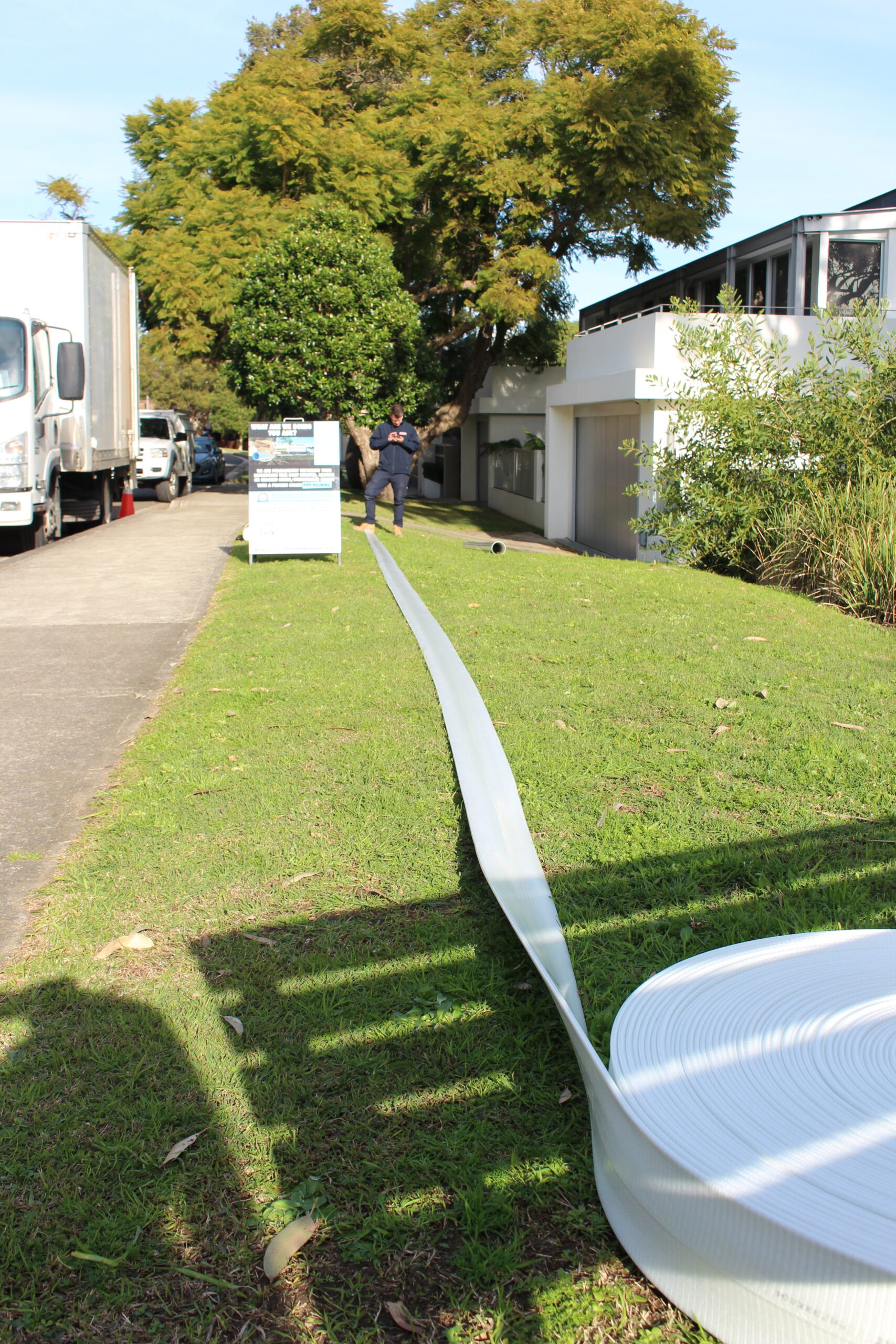
One of the most persistent myths surrounding plumbing relining is the belief that it only offers a short-term remedy — a band-aid placed over a deeper structural problem. This couldn’t be further from the truth. Modern pipe relining technology uses a resin-saturated liner that is cured in place using UV light or hot water inversion, effectively creating a brand-new pipe within the existing one. Independent data from Australian plumbing industry bodies confirms that a correctly installed liner can last upwards of 50 years, making it a genuinely long-term investment rather than a stall tactic. For homeowners dealing with cracked, root-infiltrated, or corroded pipes, relining solutions deliver structural integrity that rivals or exceeds the original pipework — with no digging, no mess, and no extended disruption to everyday life.
Another hesitation many Sydney residents share centres on cost. The common assumption is that newer technology makes relining either prohibitively expensive or that its no-dig nature means it must be cutting corners. The reality surrounding pipe relining cost in Inner West and Eastern Suburbs properties is far more nuanced. When you factor in the labour, ground restoration, and disruption associated with full excavation — think replaced driveways, garden paths, and structural landscaping — pipeline relining consistently proves to be more cost-effective overall. Pipe relining cost in Inner West will vary depending on pipe diameter, condition, and total length, but most homeowners find the final figure considerably lower than the true total of a dig-and-replace job. For those actively exploring relining solutions in Inner West, requesting a detailed CCTV assessment before drawing any financial conclusions is always the smartest first move.
A third myth worth addressing is the idea that relining only suits lightly damaged or relatively new pipes. In practice, sewer relining in Inner West properties has been successfully completed on pipes that are decades old, heavily root-invaded, or suffering from significant structural deterioration. The cured-in-place pipe (CIPP) method used by reputable plumbing relining contractors is flexible enough to navigate bends and junctions, and strong enough to reinforce pipes that have sustained serious wear over time. Even in cases involving multiple fractures or partial collapses, experienced technicians can combine different relining solutions — including targeted patch lining for isolated damage — to fully restore pipe functionality without excavation. The versatility of modern relining technology is genuinely broader than most homeowners realise, particularly when working with a crew that understands the specific pipe conditions common to older Sydney suburbs.
The final misconception worth unpacking is the assumption that all relining providers deliver an equivalent result. The quality of relining solutions in Inner West and across greater Sydney varies considerably based on the materials used, the diagnostic process, and the experience level of the crew performing the work. Reputable providers will always begin with a thorough CCTV drain inspection to accurately assess pipe conditions before recommending any course of action. Sewer relining in Inner West completed using high-grade resin liners and correct curing processes will dramatically outperform cheaper alternatives over the long run. Choosing a provider based solely on price — without understanding what is actually included in the scope of work — is one of the most common and avoidable mistakes Sydney homeowners make. When it comes to pipeline relining, quality of execution is everything.
Your Home Deserves Lasting Relining Solutions — Here’s How to Get Them
The myths around pipeline relining have persisted far too long. When the facts are laid out clearly, it becomes easy to understand why so many Sydney homeowners — from the Eastern Suburbs through to the Inner West — are choosing modern relining solutions over traditional excavation-based pipe replacement. The technology is proven, the lifespan is substantial, and the overall value stacks up strongly against older methods. What matters now is partnering with a provider who brings genuine expertise, the right materials, and a rigorous diagnostic process to every single job.
That’s precisely where Revolution Pipe Relining stands apart. As one of Sydney’s most experienced and trusted pipe relining specialists, Revolution Pipe Relining combines advanced CCTV diagnostics, industry-grade liner materials, and a team with deep knowledge of the city’s ageing pipe infrastructure to deliver results that genuinely last. Whether your property is in the Eastern Suburbs or the Inner West, their team is equipped to assess, recommend, and execute the right solution for your specific pipe conditions. If you’re ready to move past the myths and get a clear, honest picture of your home’s pipe health, call Revolution Pipe Relining today on 1300 844 353 for a no-obligation quote.
No Comments